Julius Caesar
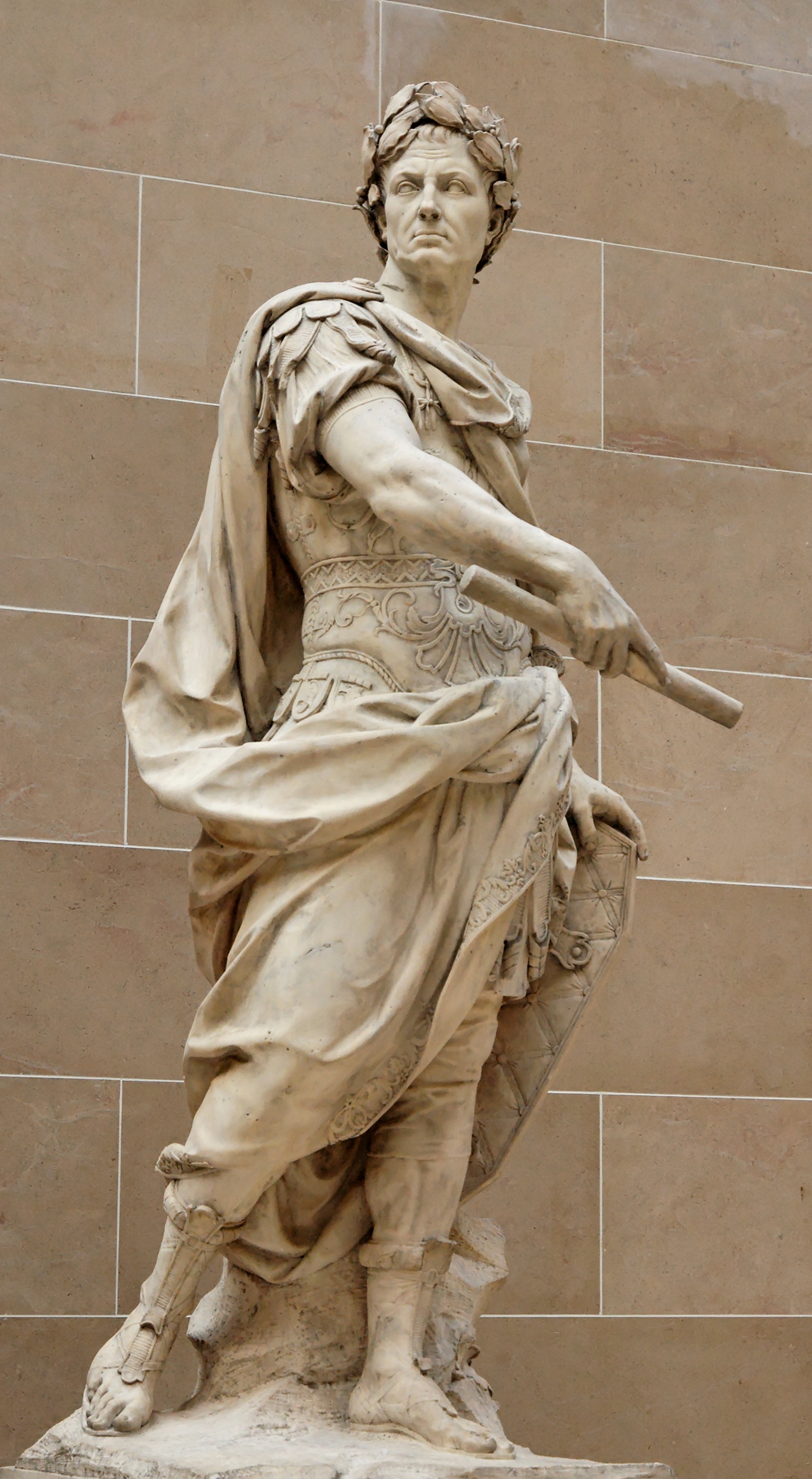
Rise
Reign
Fall
Rise to Power(60–50 BC)
- The First Triumvirate: Formed a massive political alliance with Pompey and Crassus to bypass the Senate's authority.
- The Gallic Wars: Spent nearly a decade conquering Gaul, gaining wealth and the fanatical loyalty of his legions.
- Military Loyalty: Secured his soldiers' devotion by personally promising them land and using his own fortune to pay their bonuses.
- The Breaking Point: When the Senate ordered him to lay down his command, he chose to maintain his power by force.
Control (49–45 BC)
- Crossing the Rubicon: Led his army into Italy in January 49 BC, led to a civil war.
- Populist Reforms: Relieved citizen debts, expanded the Senate to include more diverse voices, and instituted the Julian Calendar
- Public Works: Commissioned massive building projects in Rome to provide jobs and solidfy his image as a man of the people.
Senatorial Backlash (44 BC)
- Dictator for Life: Declared himself Dictator in early 44 BC.
- Conspiracy: A group of 60 senators plotted his death to prevent a return to a monarchy.
- Ides of March: On March 15, 44 BC, Caesar was surrounded and stabbed 23 times on the floor of the Senate.
- Chaos After Death: started another civil war that led to the birth of the Roman Empire.
Sui Yangdi

Rise
Reign
Fall
Rise to Power (604 AD)
- Birth: Born into the royal chinese lineage
- Power: Sui Yangdi gained power after he assassinated his father (the former emperor) and his eldest brother
Reign (605–610 AD)
- Reunification: Reunited Northern and Southern China after centuries of civil war.
- Economics: Used money to lure western traders and made people treat the ou
- Hospitality: Make the people to treat the outsiders so he can show off himself as a “good ruler”
- Spending: Spending lavish sums on palace construction and ornamentation, stocking his private park with mature trees carried on specially constructed carts from distant forests
- Ambition: Command army to fight GaoLi 高麗(modern day Korea) 3 times, killed much people
- Fall: Spread much effort (money/human life) on trying to rule the whole mainland, aroused the people's resistance
Tyranny (612–618 AD)
- Start of the End: The loss-making trade wasted the country's huge wealth in vain
- Death: Strangled to death following a failed military campaign in 618 AD in Jiangdu (modern-day Yangzhou) by his own attendants and mutinous troops led by Yuwen Huaji (a general)
- End: ended the 38-year old Sui dynasty, rise of Tang Dynasty
Pol Pot
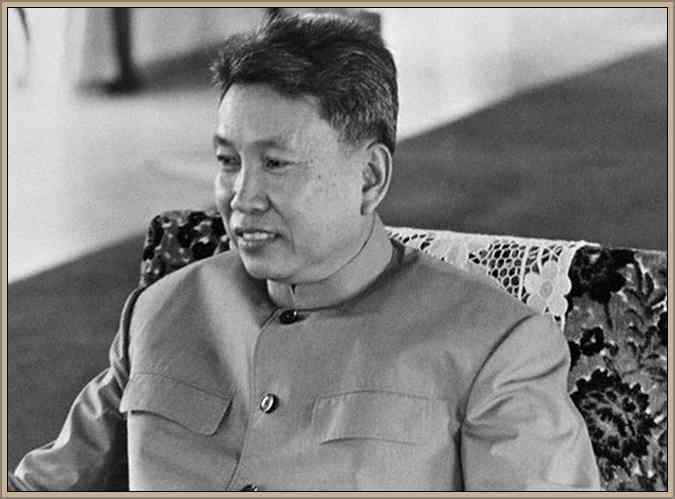
Rise
Reign
Fall
Gaining Control (1975)
- Return: Returned home after losing his scholarship in Paris
- Developing Party: spent 12 years developing the Mongolian Communist Party and served as secretary
- Prime Minister: In 1976, Pol Pot became the prime minister of the new Khmer Rouge government
Extremist Policies (1976–1977)
- Leading: he led the Khmer Rouge guerrilla forces in their overthrow of Lon Nol’s regime in 1975, leading to the deaths of 1.5-2 million people
- Thousands Murdered: Thousands were murdered in special detention centres and thousands more died from starvation and overwork.
- Leadership: It is estimated that from 1975 to 1979, under the leadership of Pol Pot, the government caused the deaths of more than 1 million people from forced labor, starvation, disease, torture, or execution while carrying out a program of radical social and agricultural reforms
Collapse (1978–1979)
- Collapse of the Center: Phnom Penh fell in just two weeks in January 1979. Pol Pot and his remaining loyalists fled to the jungles near Thai border.
- Overthrown: he was overthrown by the invading Vietnamese in January 1979
- Withdraw: withdraw base to thailand
- Death: died in Apr 15, 1998